
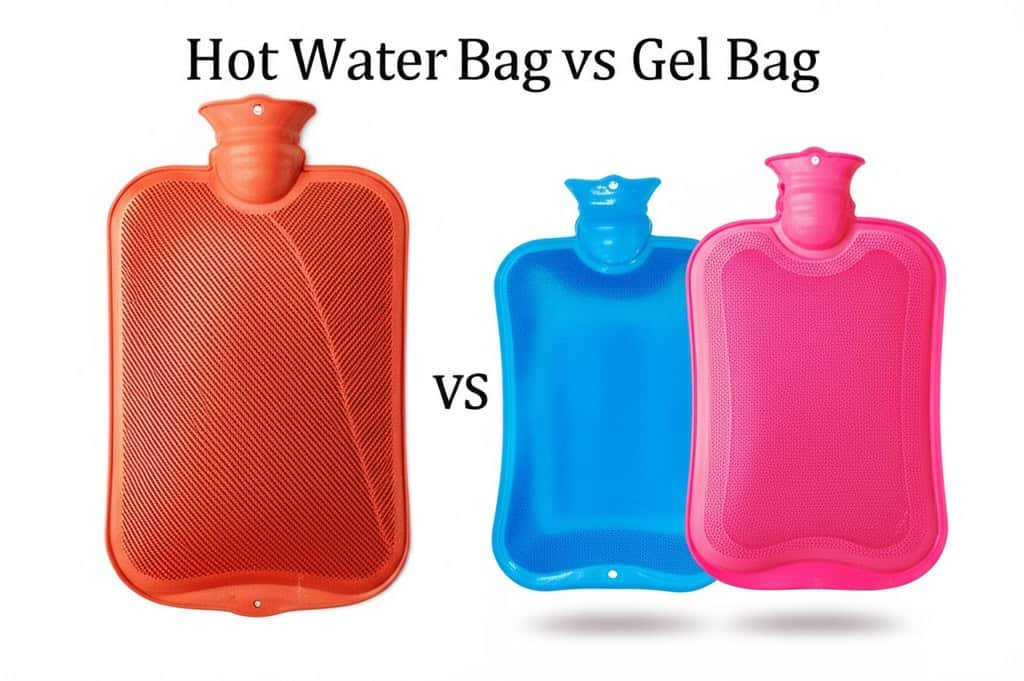
Do you want to know Hot water bag vs gel bag – which is better for pain relief?
Regardless of the type of pain, our first thought is to use either a hot water bag or cold therapy. From sore muscles after hitting the gym to painful menstrual cramps, cold or heat therapy provides major relief.
For generations, the hot water bag has been the go-to solution for comforting warmth, while in recent years, the gel bag has gained popularity for offering both heat and cold in a single product.
Both are reusable, affordable, and effective, but they serve different purposes and suit different lifestyles. This article will explore all the essential points you need to know before buying a hot water bag or a gel bag.
What Is a Hot Water Bag?
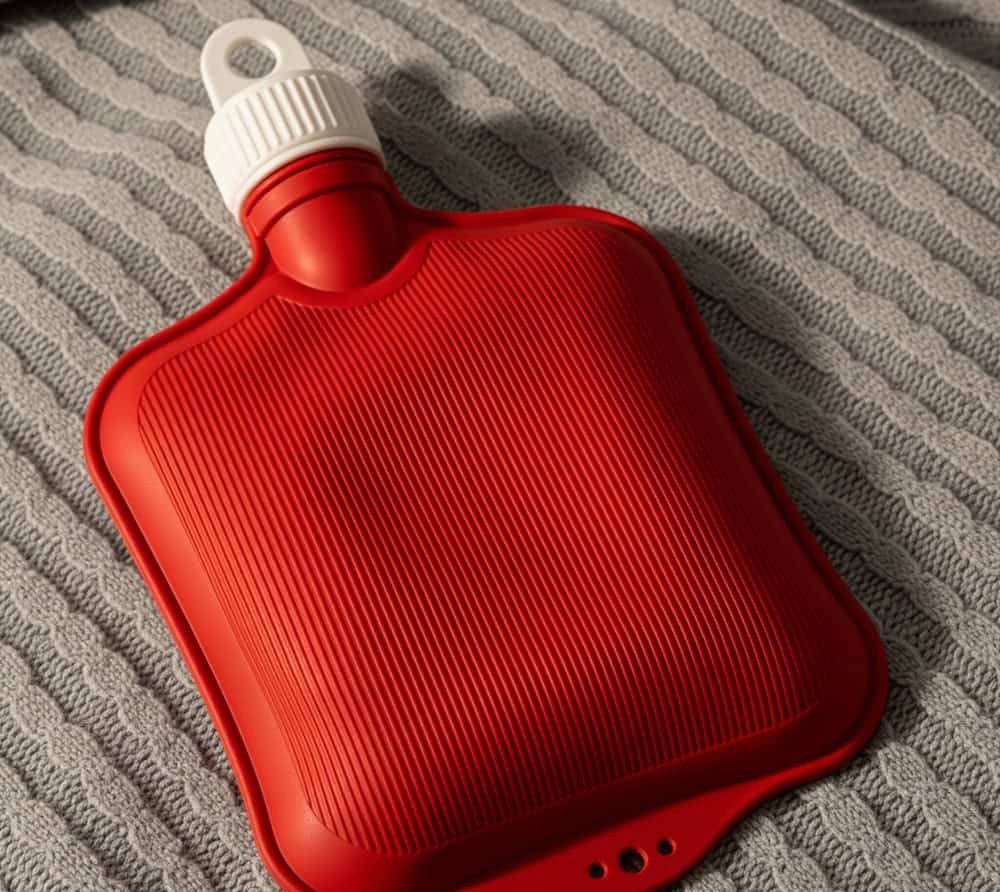
A hot water bag is a traditional pain relief tool made of rubber, thermoplastic, or silicone material, designed to be filled with hot water and applied to the body for heat therapy. The design usually includes a wide-mouthed opening at the top with a secure screw cap or stopper to prevent leakage.
The use of heated containers for pain relief dates back centuries. The modern rubber hot water bottle became popular in the late 19th and early 20th centuries, replacing earlier metal or ceramic containers. In many households, it was not only a therapeutic tool but also a way to stay warm during cold weather.
It is necessary to invest in a reliable hot water bag of good quality. Its material has to be skin-friendly and sturdy.
Basic Structure and Design
- Material: Usually rubber, though some modern ones use advanced thermoplastic for durability and insulation.
- Shape: Typically flat and rectangular or oval, with a screw-cap opening for filling water. Some come with textured surfaces to prevent direct skin burns.
- Capacity: Commonly between 1 and 2 liters, though mini versions exist for portability.
How It Works
The principle is simple—heat relaxes tense muscles, dilates blood vessels, and stimulates blood flow to the affected area, which promotes healing and reduces pain. The water inside retains heat for a certain period, mostly 1–3 hours, depending on the quality of the bag and the starting temperature of the water.
Common Uses
- Muscle soreness after workouts
- Back pain from long hours of sitting or standing
- Menstrual cramps and abdominal discomfort
- Joint stiffness from arthritis or aging
- Keeping warm in cold weather
Advantages
- Simple to use and widely available
- In comparison to other such recent products, a hot water bag is affordable
- Does not require electricity or microwaving
- Can retain heat for a decent duration
Limitations
- Requires boiling or hot tap water, which may not always be convenient
- Risk of burns if water is too hot or bag leaks
- Bulky compared to some modern alternatives
What Is a Gel Bag?
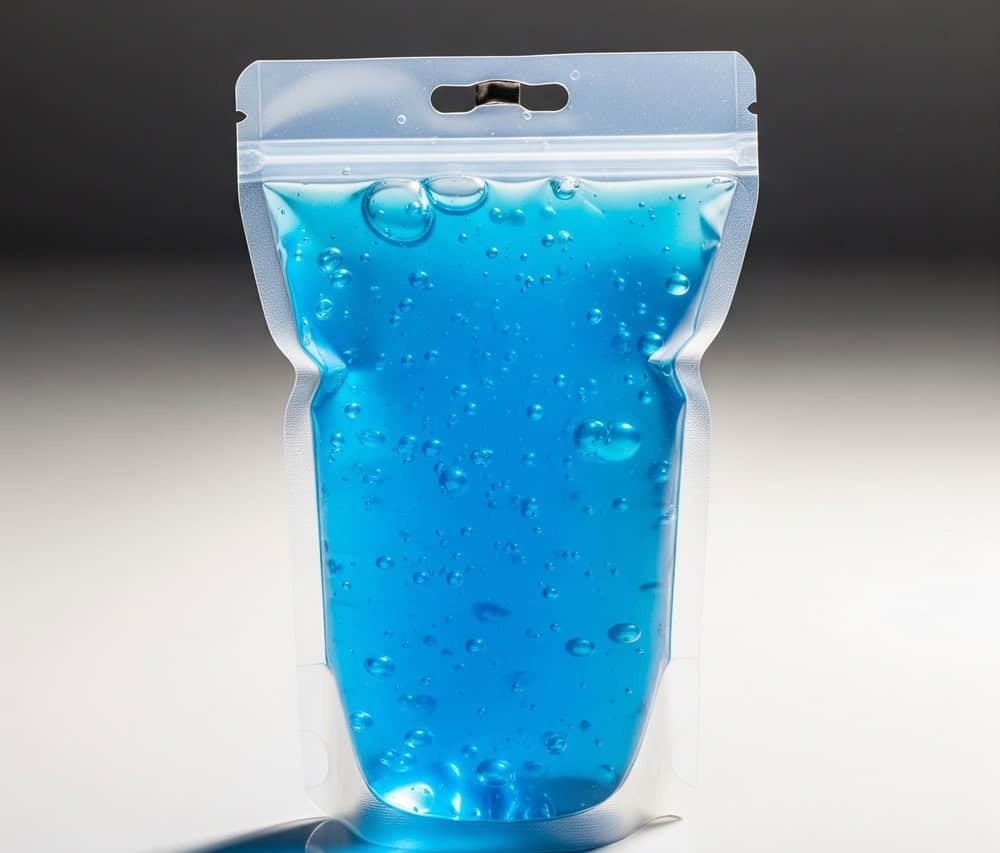
A gel bag (also called a gel pack, gel pad, or hot/cold pack) is a modern pain relief product filled with a special gel material encased in a flexible, durable plastic or PVC pouch. The gel is designed to retain temperature—whether hot or cold—for an extended period, making it suitable for both heat therapy and cold therapy.
Buying a gel bag is like investing once in a good product. If maintained well, a gel bag can last for years. You can use the same gel bag for hot or cold therapy and even then, it can be used in multiple types.
Basic Structure and Design
- Material: Outer shell made of durable plastic, PVC, or thermoplastic polyurethane (TPU).
- Contents: Gel made from substances like hydroxyethyl cellulose, propylene glycol, and water.
- Shape and Size: Comes in multiple shapes—rectangular for general use, contoured designs for joints, or eye masks for targeted relief.
How It Works
For heat therapy, the gel pack is warmed in hot water or a microwave, then applied to the affected area. For cold therapy, the pack is stored in a refrigerator or freezer before use. The gel’s ability to hold temperature makes it highly versatile.
Common Uses
- Sports injuries (cold therapy to reduce swelling)
- Post-surgery recovery
- Menstrual pain (heat therapy)
- Headaches and migraines (cold therapy)
- Muscle recovery after workouts
- Arthritis pain management
Advantages
- Can be used for both hot and cold therapy
- Reusable and long-lasting if maintained properly
- Flexible design molds to different body parts
- Quick heating in a microwave or hot water
- Safer temperature control compared to boiling water
Limitations
- Requires microwave, hot water, or freezer access
- May not retain heat as long as a hot water bag
- If punctured, gel leakage can occur
- This one costs more than a traditional hot water bag
Hot Water Bag vs Gel Bag: Key Differences
Both hot water bags and gel bags serve the same ultimate purpose. They provide therapeutic heat (and in the case of gel bags, also cold) to relieve pain—the way they work, their design, maintenance, and effectiveness vary significantly. Let us now look at the basic differences between a hot water bag and a gel bag.
1. Heating Method
- Hot Water Bag: Requires you to boil water or heat it in a kettle and then pour it into the bag. Heat is stored through hot water’s thermal mass.
- Gel Bag: Can be heated in a microwave or hot water for a short time. Some come with electric heating pads or pouches. Gel retains heat through chemical- or polymer-based compounds.
Key takeaway: Hot water bags rely purely on water temperature; gel bags use a polymer gel that can heat up faster and be reheated multiple times with ease.
2. Cooling Ability
- Hot Water Bag: Can only be used for heat therapy; unsuitable for cold therapy because water condensation can cause leaks or frost issues.
- Gel Bag: Can be frozen and used for cold therapy, making it more versatile for injuries that require alternating hot and cold treatment.
Key takeaway: Gel bags have a dual-function advantage, especially useful for sports injuries or swelling.
3. Heat Retention Duration
- Hot Water Bag: Can stay warm for 1–3 hours depending on the material thickness, initial water temperature, and insulation.
- Gel Bag: Retains heat for 20–60 minutes in most cases; however, advanced gel packs with insulating covers can last up to 90 minutes.
Key takeaway: if you want longer continuous heat, hot water bags are perfect then. For short bursts or targeted therapy, gel bags perform adequately.
4. Safety Profile
- Hot Water Bag: Risk of burns if water is too hot or bag leaks. Also, improper sealing of the cap can lead to spillage.
- Gel Bag: Lower burn risk if heated correctly, but overheating in a microwave can cause the gel pack to burst or damage the outer casing.
Key takeaway: Both require safe handling, but gel bags have slightly better control when following instructions.
5. Portability and Storage
- Hot Water Bag: Bulkier when filled; requires access to hot water, which limits portability. Empty bags are flat and easy to store.
- Gel Bag: Lightweight and portable; can be stored in a freezer or carried in a small bag. Great for travel and quick use.
Key takeaway: Gel bags are more portable, especially for on-the-go therapy.
6. Versatility of Use
- Hot Water Bag: Primarily used for heat therapy—muscle pain, menstrual cramps, and backaches. Also ideal for chronic muscle stiffness, arthritis pain, menstrual cramps, and cold weather comfort.
- Gel Bag: Can be used for heat therapy, cold therapy, first aid, swelling reduction, and even fever management. Excellent for acute injuries, sprains, post-surgery recovery, migraines, and sports therapy.
- Key takeaway: Gel bags offer broader treatment possibilities. But choose hot water for chronic warmth needs and gel for versatile temperature therapy.
7. Durability
- Hot Water Bag: Rubber or PVC bags can last years if stored properly and kept away from sharp objects and extreme temperature changes.
- Gel Bag: Longevity depends on the quality of the outer casing; cheaper models may leak or burst over time, especially with frequent freezing/heating cycles.
Key takeaway: High-quality hot water bags tend to have longer life spans, but premium gel packs can be equally durable.
8. Maintenance
- Hot Water Bag: Needs to be emptied and dried completely before storage to prevent mold or rubber degradation.
- Gel Bag: Minimal maintenance; just wipe clean after use and store appropriately (room temperature or freezer).
Key takeaway: Gel bags are lower maintenance than hot water bags.
9. Cost
- Hot Water Bag: Generally inexpensive; good-quality models range from budget-friendly to mid-range.
- Gel Bag: Prices vary widely; basic gel packs are cheap, but multipurpose, medical-grade, or electric-heated gel packs can be pricier.
Key takeaway: Hot water bags are more affordable initially; gel bags can be cost-effective if you need both hot and cold therapy.
10. Environmental Impact
- Hot Water Bag: Made mostly of rubber or PVC; long-lasting but not easily recyclable.
- Gel Bag: Contains synthetic gels and plastics; not eco-friendly, but longevity can offset waste if reused for years.
Key takeaway: Neither is perfectly eco-friendly, but durability and proper disposal matter most.
11. Comfort Factor
- Hot Water Bag: Feels heavy and firm when filled with water; may need a cloth cover to avoid direct skin burns.
- Gel Bag: Malleable and molds to the body’s shape; softer feel and more comfortable for certain body parts.
Key takeaway: Gel bags are easy on the body.
Pros and Cons Table: Hot Water Bag vs Gel Bag
| Feature | Hot Water Bag | Gel Bag |
| Primary Use | Heat therapy only | Heat & cold therapy |
| Heat Retention | 1–3 hours | 20–45 minutes |
| Ease of Heating | Requires hot water | Microwave or hot water |
| Cold Therapy | Not possible | Yes |
| Safety | Burns & leaks possible | Safer, but can burst |
| Flexibility | Limited | High |
| Portability | Lower | High |
| Durability | Medium | High with care |
| Cost | Low | Moderate |
| Eco-Friendliness | Moderate | Low–Moderate |
Are your doubts cleared on Hot Water Bag vs Gel Bag – Which Is Better for Pain Relief?
Choosing between a hot water bag and a gel bag depends on your specific needs, lifestyle, and preferences. If you value long-lasting, deep heat and do not mind taking a few minutes to prepare hot water, the hot water bag remains a timeless, affordable choice. Its ability to stay warm for hours makes it ideal for extended relaxation, winter warmth, or prolonged pain relief sessions.
On the other hand, if you want versatility, quick heating, and cold therapy options, the gel bag is the more modern and flexible choice. Athletes, people with recurrent injuries, or anyone needing both hot and cold treatments will find it especially useful.
Both have their pros and cons, but neither is universally “better” than the other—it is all about matching the tool to your personal comfort and medical needs. By understanding the differences in heating methods, safety, portability, and duration, you can confidently choose the pain relief solution that works best for you.
Decided whether to go for a hot water bag or a gel bag? Now you may proceed to The Brand Hub to check hot water bag price in Sri Lanka to buy your pain-relief partner at an affordable range without compromising on quality.
FAQs
Depends—hot water bags excel at long-term heat; gel bags are more versatile.
Hot water bag per use; gel bag may last more years with care.
Yes—microwave for heat, freeze for cold.
Yes, but don’t overheat in the microwave.
Gel bags if you need both therapies; hot water bags if you only need heat.

Editorial Staff’s at KO Klicks are experts on various topics.