
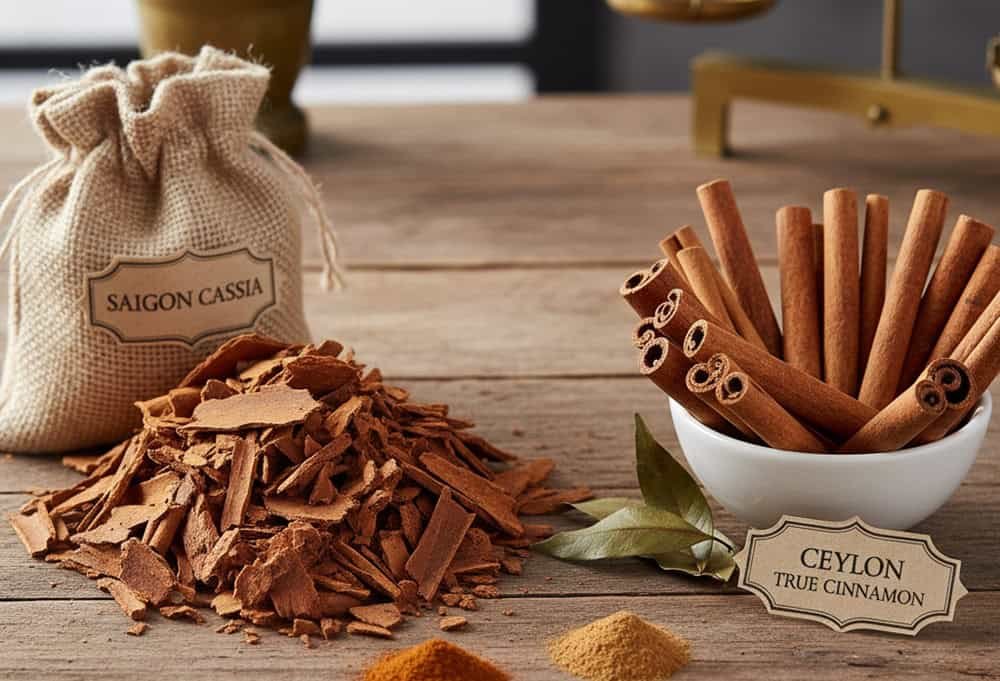
Let us find out Saigon vs Ceylon Cinnamon: Key Differences, Benefits & Which to Choose.
Cinnamon is one the of most commonly found spice in kitchens. From medicinal properties to enhancing flavors, it is capable of everything. But do you that there are many different varieties of cinnamon?
Each variety has its own features. But to know which one you should use, you must know each of them in detail. Thus, we will rightly help you with that.
Introduction to Cinnamon Varieties
Cinnamon is one of the oldest and most treasured spices in human history, cherished for its warm aroma, distinctive flavor, and wide range of uses in culinary traditions and natural medicine. From ancient Egypt to modern kitchens, cinnamon has been celebrated not just as a spice but as a symbol of luxury, trade, and healing.
However, not all cinnamon is created equal. What most people call “cinnamon” can actually refer to several different species of the Cinnamomum tree, each with unique characteristics. The two most prominent and commonly discussed varieties are Saigon cinnamon and Ceylon cinnamon.
For centuries, cinnamon has been linked to cultural rituals, medicinal practices, and everyday cooking. In Ayurveda, it was considered a warming spice used to balance digestion and circulation. In traditional Chinese medicine, cinnamon bark was prescribed for cold-related ailments. Today, modern science confirms that cinnamon contains powerful compounds, including antioxidants, essential oils, and natural chemicals that may support health in several ways.
But when choosing cinnamon for your kitchen or wellness routine, is it necessary to understand the differences between the major varieties. Saigon cinnamon, with its bold and spicy intensity, contrasts sharply with the delicate, sweet flavor of Ceylon cinnamon. Beyond taste, there are significant differences in health benefits, safety, and cost.
In this article, we will understand what makes Saigon and Ceylon cinnamon distinct, compare their key qualities, and help you decide which one is best for your needs.
What is Saigon Cinnamon?
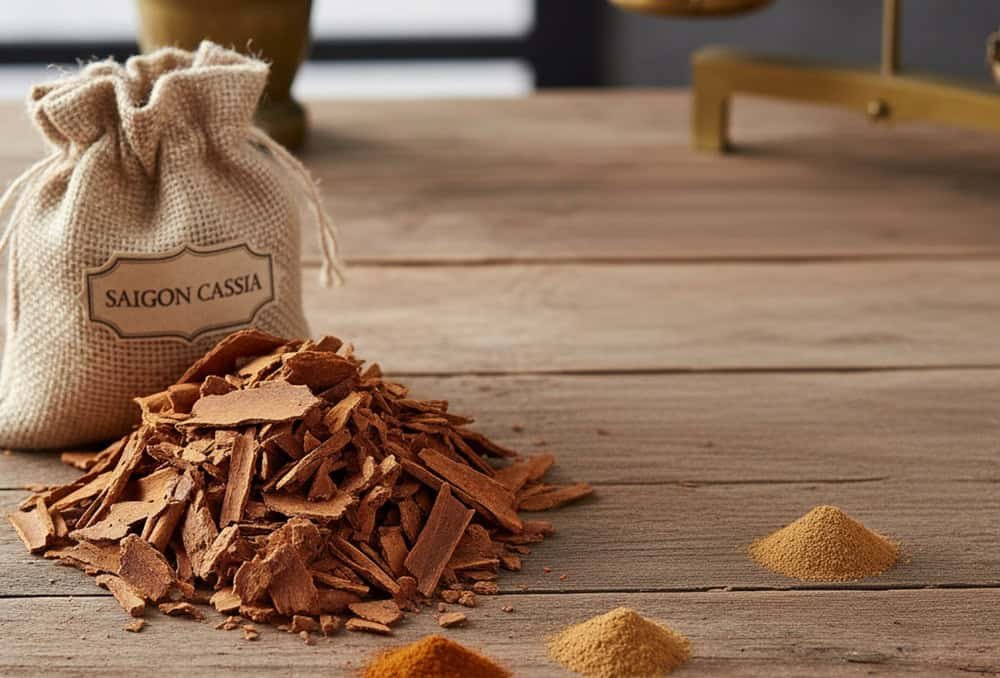
Saigon cinnamon, also known as Vietnamese cinnamon, is derived from the species Cinnamomum loureiroi. Native to Southeast Asia and primarily cultivated in Vietnam, Saigon cinnamon is a type of cassia cinnamon. Cassia cinnamons, in general, are known for their bold, spicy, and slightly sweet flavors, but Saigon cinnamon stands out as the most aromatic and potent among them.
The defining characteristic of Saigon cinnamon is its intense flavor profile. It is far stronger, spicier, and more pungent than other cassia types such as Chinese or Indonesian cinnamon. This makes it a favorite among those who enjoy a more pronounced cinnamon kick in their baked goods, savory dishes, or even beverages. Its high essential oil content, particularly cinnamaldehyde gives Saigon cinnamon its fiery punch and robust fragrance.
Visually, Saigon cinnamon bark is thick, hard, and coarse. The Ceylon cinnamon has the delicate, papery layers, but the Saigon cinnamon rolls into tough, dark reddish-brown sticks that are challenging to grind. The powder form is more common in everyday kitchens, as the bark requires industrial grinding tools.
While its taste and aroma are highly prized, Saigon cinnamon also contains relatively high levels of coumarin, a natural plant compound that can pose health risks when consumed in excess. This aspect makes it a point of concern when comparing it to Ceylon cinnamon, which contains negligible amounts of coumarin.
What is Ceylon Cinnamon?

Ceylon cinnamon, scientifically known as Cinnamomum verum or “true cinnamon,” originates from Sri Lanka, formerly called Ceylon during colonial times. Unlike cassia varieties, Ceylon cinnamon is prized worldwide for its delicate sweetness, refined aroma, and safer health profile.
Ceylon cinnamon is considered the premium variety of cinnamon due to its unique qualities. Its taste is subtle, mildly sweet, and less overpowering compared to Saigon cinnamon. This makes it the preferred choice for culinary applications that require gentle, nuanced flavoring rather than bold spice. For example, it works wonderfully in desserts, light beverages, and fine pastries.
One of the most distinguishing features of Ceylon cinnamon is its texture and appearance. The bark is thin, fragile, and easily breakable. When rolled into sticks, it forms multiple delicate layers resembling a cigar. This papery structure makes Ceylon cinnamon easy to grind into fine powder. Its color is usually light tan or golden brown, distinguishing it from the darker hues of cassia cinnamon.
Ceylon cinnamon is also notable for its low coumarin content. Unlike Saigon cinnamon, which has high concentrations, Ceylon contains only trace amounts, making it safe for regular consumption in larger quantities. This safety factor, combined with its refined taste, is why it is often referred to as the “true” or “real” cinnamon.
Ceylon cinnamon is primarily cultivated in Sri Lanka, which remains the world’s leading producer. Harvesting is labor-intensive, involving careful peeling of the inner bark, which contributes to its higher price point in global markets. Despite being more expensive, many health-conscious consumers prefer Ceylon cinnamon due to its safety and superior quality.
Suggested Read: How To Use Ceylon Cinnamon Sticks
Saigon vs Ceylon Cinnamon: Key Differences
Flavor & Aroma
The most obvious distinction between Saigon and Ceylon cinnamon lies in their flavor and aroma.
- Saigon Cinnamon: Strong, spicy, and slightly sweet with a sharp edge. Its taste is bold and lingering, often overpowering if used in large amounts. The aroma is intensely fragrant, filling kitchens with a warm and fiery scent. It is best for recipes where cinnamon is meant to stand out, such as spiced cookies, cinnamon rolls, or rich curries.
- Ceylon Cinnamon: Mild, delicate, and sweet with subtle citrus notes. It blends seamlessly into dishes, enhancing without overwhelming. Its aroma is gentle, refined, and slightly floral, making it suitable for lighter applications like custards, teas, or fruit-based desserts.
If you want cinnamon to dominate the dish, Saigon is your spice. If you want harmony and balance, Ceylon is the choice.
Health Benefits
Both Saigon and Ceylon cinnamon contain beneficial compounds, particularly cinnamaldehyde, polyphenols, and antioxidants, which may support health in several ways. However, their effects vary based on concentration and safety.
- Saigon Cinnamon Health Benefits:
- Rich in cinnamaldehyde, which may have anti-inflammatory and antimicrobial properties.
- Potent antioxidant activity that may help combat oxidative stress.
- Supports blood sugar regulation in small amounts.
- Provides a warming effect, making it useful in cold climates or for stimulating digestion.
- Ceylon Cinnamon Health Benefits:
- Contains antioxidants that may support heart health and reduce free radical damage.
- Low coumarin content means it can be consumed daily without toxicity concerns.
- May help improve insulin sensitivity and regulate blood glucose.
- Traditionally used to soothe digestion and enhance circulation gently.
In terms of long-term health benefits, Ceylon cinnamon is generally considered safer, while Saigon offers stronger short-term potency but carries more risk due to coumarin.
Coumarin Content & Safety
One of the most critical differences between Saigon and Ceylon cinnamon is coumarin content.
- Saigon Cinnamon: Contains high levels of coumarin, often ranging from 5,000 to 12,000 ppm (parts per million). Regular consumption in large amounts may pose health risks, including potential liver damage and interference with certain medications.
- Ceylon Cinnamon: Contains only trace amounts of coumarin, often less than 100 ppm, making it safe for long-term, daily use.
Health authorities, including the European Food Safety Authority, have set tolerable daily intake levels of coumarin. Consuming even one teaspoon of Saigon cinnamon daily could exceed the safe limit for many adults, whereas Ceylon cinnamon allows much greater flexibility.
Appearance & Texture
Visually and physically, Saigon and Ceylon cinnamon are easy to distinguish.
- Saigon Cinnamon: Dark reddish-brown, thick, and hard bark. Sticks are dense, with a single layer of rolled bark. Grinding requires significant effort.
- Ceylon Cinnamon: Light brown or golden, fragile, and papery bark. Sticks consist of multiple thin layers rolled together. Easy to break and grind into fine powder.
These differences make Ceylon cinnamon more versatile for fine culinary uses, while Saigon cinnamon is often valued for its robust presence in rustic dishes.
Price & Availability
Market factors also play a role in consumer choice.
- Saigon Cinnamon: Widely available and relatively affordable compared to Ceylon. It is mass-produced in Vietnam and exported globally, often marketed simply as “cinnamon” in many supermarkets.
- Ceylon Cinnamon: Less common, primarily exported from Sri Lanka, and significantly more expensive due to labor-intensive harvesting and limited supply. Often found in specialty stores or labeled specifically as “Ceylon” or “true cinnamon.”
For everyday affordability, Saigon cinnamon is easier to access. For premium quality and safety, Ceylon comes with a higher price tag.
Best Uses: Cooking, Baking, and Tea
Cinnamon is a versatile spice used in a wide variety of sweet and savory dishes. However, not all cinnamon is the same. Different varieties, particularly Saigon and Ceylon have unique flavor profiles that make them more suitable for specific culinary applications. Choosing the right type can elevate your dish, and you can use it for baking, cooking, or brewing tea.
Saigon Cinnamon Uses:
- Bold Flavor Impact:
Known for its intense, sweet, and spicy flavor, Saigon cinnamon is ideal for recipes that require a powerful cinnamon punch. - Baking Favorites:
Works exceptionally well in cinnamon rolls, spiced cookies, gingerbread, and other desserts where cinnamon is meant to stand out. - Savory Dishes:
Enhances hearty meals such as curries, braised meats, chili, and even Moroccan or Middle Eastern-inspired stews. - Flavor Pairings:
Complements strong flavors like dark chocolate, coffee, cardamom, nutmeg, and cloves. - Ideal for Cold Weather Recipes:
Its warmth and intensity make it a favorite for fall and winter dishes.
Ceylon Cinnamon Uses:
- Delicate and Aromatic:
Milder and more nuanced than Saigon, Ceylon cinnamon is preferred for light, elegant recipes. - Perfect for Desserts:
Ideal for puddings, custards, fruit compotes, apple pie, and dishes where a soft sweetness is desired. - Great in Beverages:
Enhances the flavor of teas, hot chocolate, mulled wine, and herbal infusions without overpowering them. - Health and Wellness:
Commonly used in traditional medicine and wellness teas due to its low coumarin content and gentle effect on digestion. - Subtle Spice Mixes:
Works well in spice blends and seasoning rubs where balance is key.
Choose Saigon cinnamon for bold, spicy flavor. Choose Ceylon cinnamon for refined, aromatic subtlety. First understand where you want to use the cinnamon and then decide which one to choose. Even the slightest of aroma and flavor difference can make or break your dish.
It is important to know to decide which one to use and when. Both Saigon and Ceylon cinnamon have their own unique appeal. Saigon cinnamon captivates with its bold, fiery punch, making it ideal for those who love strong flavors in their baked goods and savory recipes.
But the high coumarin content requires caution when consuming it regularly. Ceylon cinnamon, on the other hand, offers a gentle sweetness, refined aroma, and safe long-term health benefits, albeit at a higher price.
When choosing between the two, the decision ultimately depends on your priorities. If you value affordability and intensity of flavor for occasional use, Saigon cinnamon is an excellent choice. But if safety, daily consumption, and delicate culinary balance are your focus, Ceylon cinnamon is the clear winner.
In the end, understanding the differences between Saigon and Ceylon cinnamon empowers you to make an informed choice. Whether you are sprinkling spice on your morning oatmeal, brewing a soothing cup of tea, or exploring cinnamon’s health benefits.
Contact Emerald Valley Estate who offers Ceylon cinnamon sticks in bulk.
FAQs
Yes. Saigon cinnamon is a type of cassia cinnamon known for its stronger flavor & higher coumarin content.
Ceylon cinnamon (Cinnamomum verum) is considered “true cinnamon” because it represents the original variety historically traded & valued for its refined taste and safety.
Ceylon cinnamon is healthier for regular use due to its low coumarin content.
Ceylon cinnamon is labor-intensive to harvest, grown primarily in Sri Lanka, and limited in supply, which makes it more costly compared to mass-produced Saigon cinnamon.

Editorial Staff’s at KO Klicks are experts on various topics.