
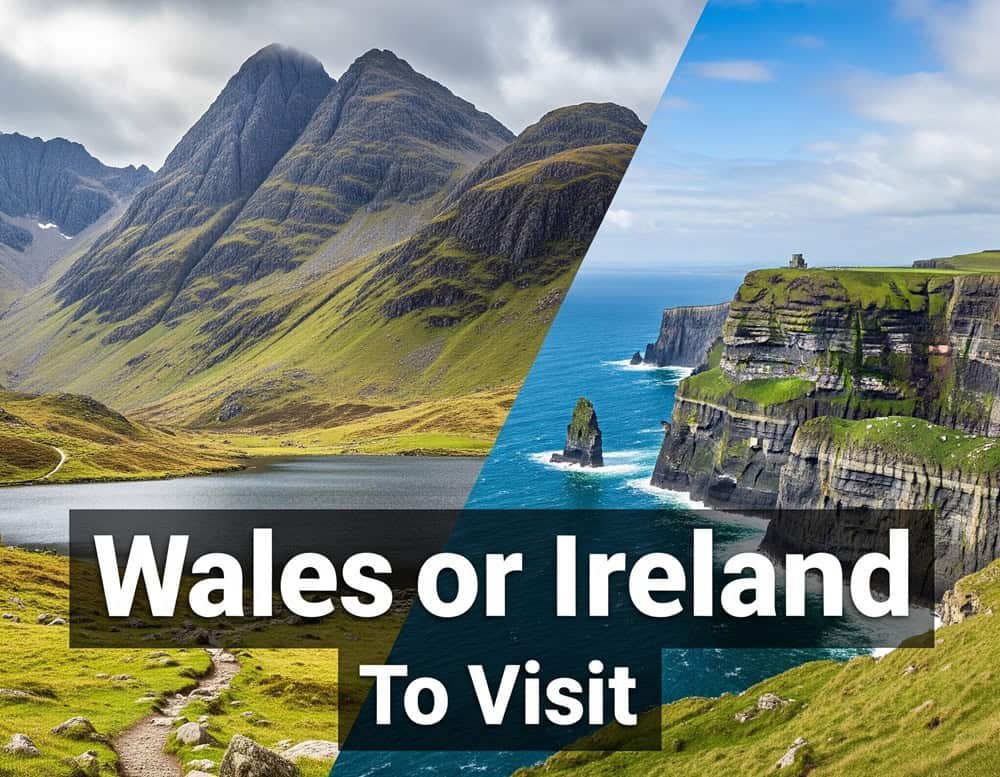
Wants to know Wales or Ireland to visit?
If you’re stuck on a vacation spot between Ireland and Wales, it will most likely feel like a choice between two paintings in an art gallery. It’s evident that they’re both wonderful, so you’re left with the high-level choice of which one you’d prefer to try. I mean, both are stunning, old, and full of nature’s beauty and welcome millions of tourists yearly.
But when your time and budget can afford only one, the decision fatigue sets in.
This article serves as a guide, where we’ll split the key differences between Ireland and Wales so you can decide which destination best suits your traveling style.
As you read, you might find yourself itching or attracted to some part of the Welsh coast where the charm lingers long even after you’ve left.
Read further.
Wales vs. Ireland: Key Differences
When you’re considering a tour between Wales and Ireland, geography plays an important role.
Wales is part of the United Kingdom, and is located to the west of England and bordered by the Irish Sea and Bristol Channel. Ireland, however, occupies a great portion of the island to the west of Great Britain, with Northern Ireland in the north-east being part of the UK and the Republic of Ireland as an independent state.
They all have their lovely coastlines and green landscapes, but Wales is best known for its mountains and thick landscapes, while Ireland’s loveliness is often found in its lengthy green fields and wild west coasts.
Accessibility is another factor. Wales is easily reached via road or rail from major UK cities, while Ireland usually requires a flight or ferry for most travelers. Both have well-developed public transport in major towns, but if you’re planning to explore rural gems, hiring a car offers far more freedom.
Currency is also different. Wales uses the British Pound (GBP), whereas the Republic of Ireland uses the Euro (EUR). Overall, Wales can be a bit less expensive depending on where you eat and sleep.
Another key difference is the travel vibe. Wales offers rugged charm, quieter villages, and a strong sense of preserved tradition, ideal if you’re a traveler seeking a slower pace and jaw-dropping nature without huge crowds. Ireland, in contrast, offers a blend of bustling pub culture, lyrical folklore, and sweeping scenic drives like the Wild Atlantic Way.
So, which is better, Wales or Ireland? To be candid, the answer depends on whether you’re chasing wild, compact adventures or sprawling, story-filled landscapes.
However, by the end of this article, it’ll be clearer to you.
Best Places to Visit in Wales
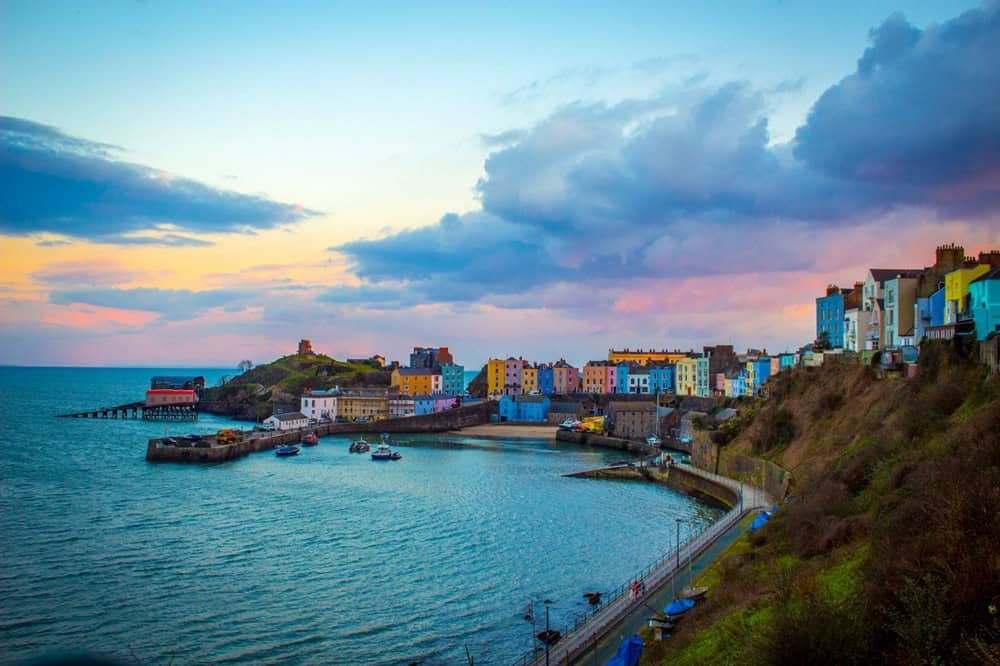
When putting together a Wales travel guide, some places instantly become top priority and a must-visit on your travel itinerary. These highlights reveal why so many visitors rate Wales among the most interesting corners of the UK.
Snowdonia National Park
Snowdonia is the crown of Welsh landscapes. Think a walker’s, photographer’s, and nature lover’s tough utopia. The park features Yr Wyddfa (Mount Snowdon), the highest mountain in Wales, with breathtaking views stretching as far as Ireland on a clear day.
Pembrokeshire Coast
If you have a thing for coastal beauty, Pembrokeshire’s 186-mile coastline will take your breath away. The Pembrokeshire Coast Path winds past hidden coves, dramatic cliffs, and quaint fishing villages. This area is also a haven if you love wildlife, with dolphins, puffins, and seals that make regular appearances.
Cardiff & Its Cultural Spots
The capital of Wales is a vibrant blend of history and modernity. Cardiff Castle, the National Museum Cardiff, and the bustling Cardiff Bay area provide a rich cultural fix. You can also add a lively food scene and plenty of boutique shopping, and you’ll end up with the perfect city break.
Cambrian Coast & Seaside Charm
This is where Wales unfolds to a relaxing rhythm. Hugging the western coast, it offers golden shores, seafront strolls, and tranquility of the sea. It’s where you can also treat yourself to fresh, local dishes at the Cambrian Coast Bar & Grill. This is the ultimate haven to lay your head after exploring the coast.
If you’re searching for adventure, culture, or just plain seaside happiness, Wales delivers every season.
Best Places to Visit in Ireland
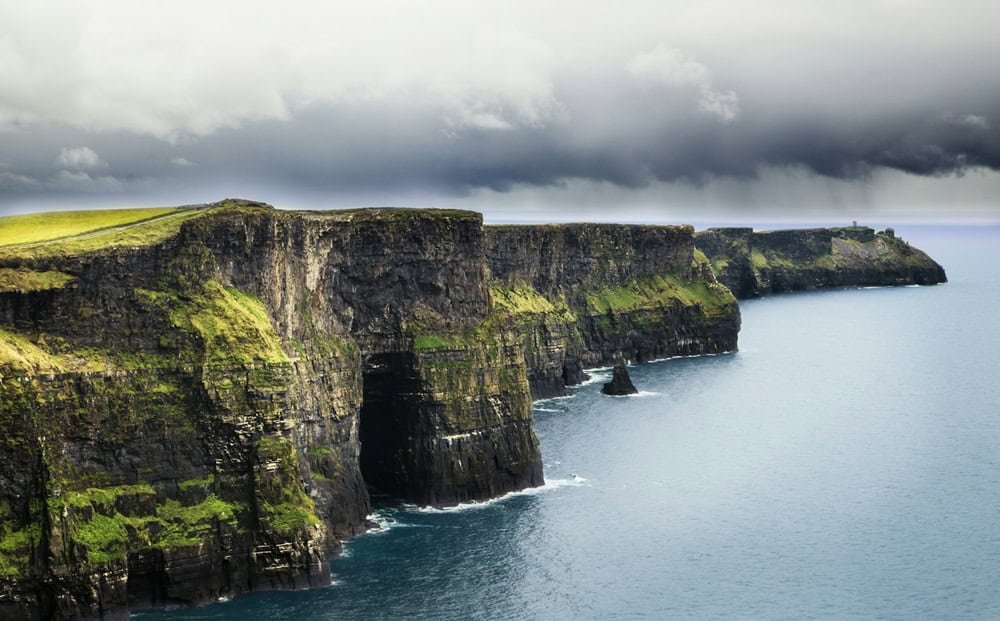
The magic of Ireland is in its way of intertwining history, landscapes, and lively culture into each nook. From the urban streets to seaside shores, these attractions must have a top position on your Ireland travel guide.
Dublin & Its Historic Landmarks
Dublin, the Irish capital, is a city that is synonymous with literature, music, and history. It is where you will find Trinity College Library and its renowned Book of Kells, wander through Temple Bar’s cobblestone streets, and step back in time at Dublin Castle, which was built in the 13th century.
Cliffs of Moher
Your visit to Ireland isn’t complete without the Cliffs of Moher. Standing 700 feet above the Atlantic Ocean, these Hollywood-style cliffs give panoramic views stretching all the way to the Aran Islands.
Ring of Kerry
The Ring of Kerry is a 111-mile circuit of Ireland’s most beautiful scenery. It offers a mix of wild coastline, gleaming lakes, and pretty villages like Kenmare and Sneem. Killarney National Park, Torc Waterfall, and Ross Castle are top stops.
Galway’s Artsy Vibe
Pronounced gow-lee, Galway is the cultural heart of Ireland and bubbles with creativity. Its streets are filled with traditional music, colourful shopfronts, and a never-ending list of festivals that come and go. It is also a doorway to the Connemara landscape, where wild landscapes and Gaelic heritage prevail.
From Dublin’s literary streets to the Atlantic coast, where the wind blows through your hair, Ireland is a rich brocade of experience. Whether your vibe is the beauty of nature, cultural encounter, or just a decent pint in a warm pub, Ireland doesn’t disappoint at every turn.
Culture & Language Differences

As regards Welsh culture and Irish culture, both nations have vivid traditions that make them what they are and attract visitors.
One of the features that distinguish one from another is language. Welsh (Cymraeg) and English are used and comprehended in Wales, with signs on the street, place names, and public services regularly bilingual.
In Ireland, Irish Gaelic (Gaeilge) has official status equal to English, although it’s generally heard in Gaeltacht regions on the west coast. Both languages add an authentic and historical touch to the vacation experience.
Pro tip: Learn a few correct phrases in the language and engage the locals. They’ll appreciate the gesture.
Both cultures are characterized by tradition, music, and legend. Wales is perhaps famous for its choral music, Eisteddfod festivals, and Arthurian legend associated with its landscapes. Ireland, however, is famous for its noisy pub sessions, tellings of tales, and fairies, giants, and old warrior myths.
When comparing the culture of Wales vs Ireland, one similarity stands out: hospitality. Both Welsh and Irish people are famously warm and welcoming. Expect friendly conversations with strangers, locals eager to share hidden travel tips, and an easy sense of belonging, whether you’re in a mountain village in Snowdonia or a small pub in County Kerry.
Both cultures offer a richness that lingers long after your visit.
Outdoor Adventures: Hiking, Beaches & Scenery
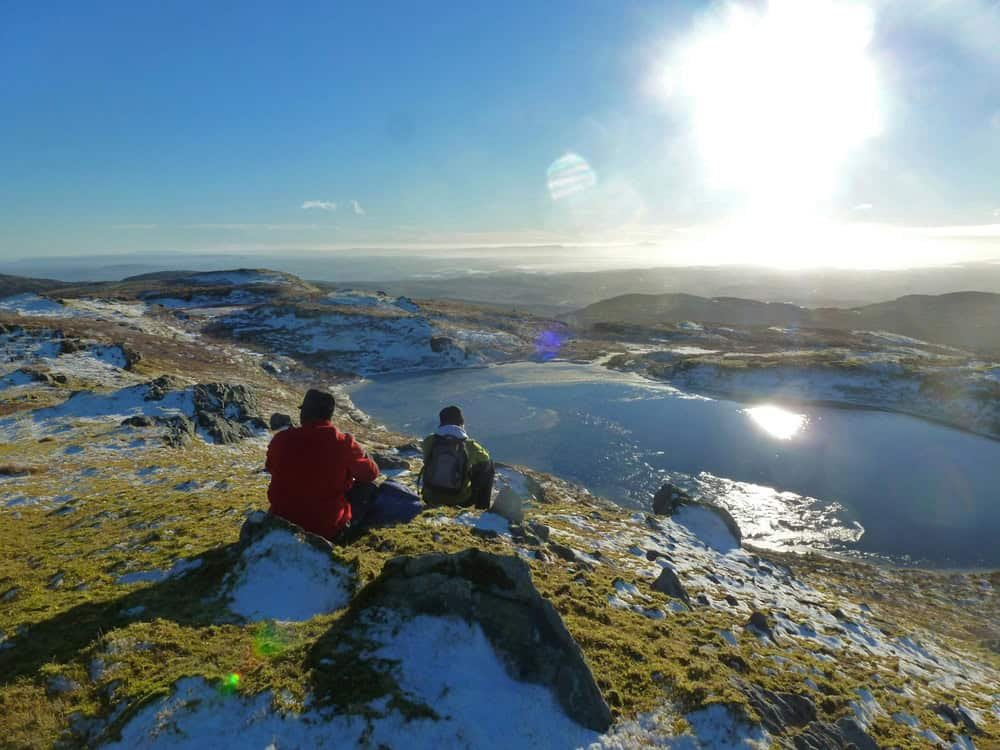
If getting outdoors is at the top of your agenda, the Wales vs Ireland hiking debate is a close call because both nations are your playgrounds.
Wales boasts of a stunning array of landscapes in a relatively compact size. The Snowdon ascents in Snowdonia National Park shove and reward adventurers with stunning views across mountains and valleys. The Cambrian Mountains, also known as “the backbone of Wales,” provide isolated trails whereby you can walk for miles and not see another living soul.
Coastal landscapes suit others’ tastes, with Wales boasting many Blue Flag beaches, such as Rhossili Bay and Tenby, which are great for swimming, paddle-boarding, or simply sunbathing in untouched surroundings.
Ireland, however, disperses its loveliness over a bigger brush. Its 1,500-mile coastal road, the Wild Atlantic Way, has innumerable hikes, bike rides, and surfing options. The Wicklow Mountains, inland, provide scenic forest walks, glacial valleys, and shining lakes which is a walker’s paradise within easy reach of the capital, Dublin.
In contrast between Ireland’s and Wales’ top beaches, Wales has a tendency to score highest on cleanliness and accessibility, but Ireland’s Atlantic coast creates a wilder, more rugged coastline. And if you’re a cycling enthusiast you might prefer Wales’ quieter back roads and shorter distances between sights.
In the end, both destinations offer memories to last you a lifetime.
Food & Drink: Which Has Better Cuisine?
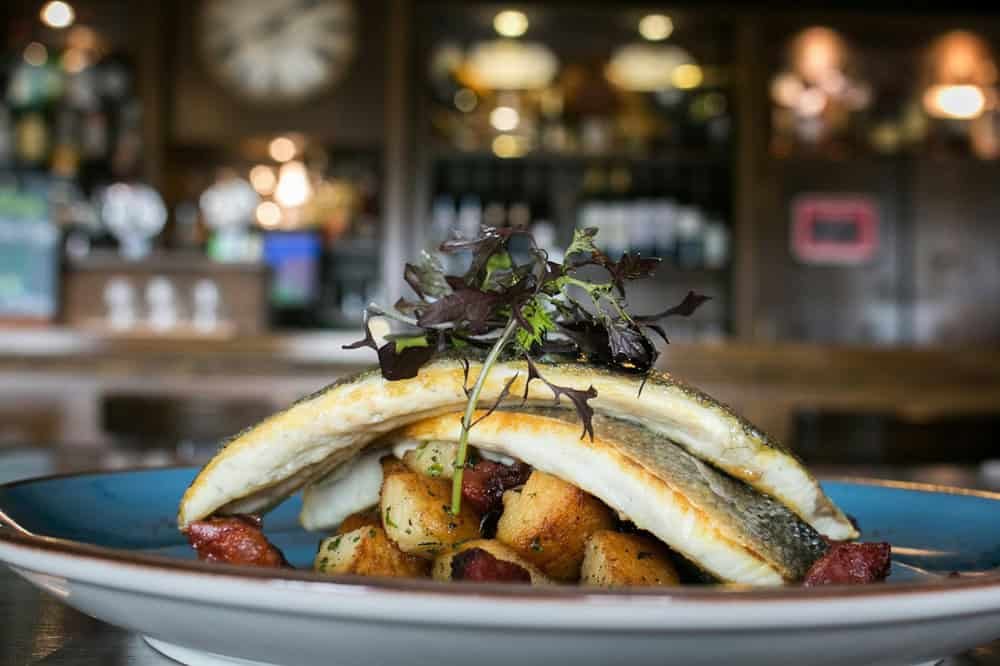
As for Irish food versus Welsh food, both nations have rich, hearty food that is appropriately adapted to their culture.
Welsh cuisine is famous for the tender Welsh lamb that is commonly cooked slowly to perfection, as well as laverbread, a nutritious seaweed dish that is usually served with cockles and bacon. For genuine Welsh seaside dining, the Cambrian Coast Bar & Grill cannot be avoided. Overlooking the dramatic Cardigan Bay, it specializes in locally crafted dishes that bring out the essence of seashore Wales. Imagine perfectly cooked fish, crisp seasonal vegetables, and desserts that help you round off your day in style.
Ireland’s own culinary heritage is every bit as proud. Irish stew, cooked the old-fashioned way with lamb or beef, potatoes, and root vegetables, is a hearty comfort. Soda bread, just out of the oven and served warm with rich Irish butter, is on almost every table. Seafood chowder, creamy and flavorful and loaded with fresh seafood, is a must-have along the coast.
Both cuisines employ fresh, local produce to excellent avail, but whereas Ireland’s tend more towards hearty comfort food, Wales combines tradition with sophisticated seaside tastes. If you’re a foodie, this might be the determining factor for you.
Best Time to Visit Wales or Ireland
The best time to visit Wales and Ireland largely depends on your priorities. For mild weather and longer days, late spring (May–June) and early autumn (September) are ideal. During these months, you’ll enjoy blooming scenery, comfortable hiking conditions, and fewer tourists compared to the busy summer period.
Summer (July–August) means hotter weather and more colorful festivities in both nations, but more crowds and higher costs. To experience Ireland or Wales at its best and on a budget, try the shoulder season — April or October — when rates for accommodation decline and popular attractions are less crowded.
Winter provides a more subdued, atmospheric experience, particularly for urban trips, but rural services can be limited. There are changing weathers throughout the year in both places and a raincoat is as necessary as your camera.
Knowing the best time and seasons to visit Wales or Ireland helps you know exactly what to park.
The truth is that it’s not easy to choose between Wales and Ireland as both have stunning scenery, vibrant cultures, and memorable experiences. Wales glows with its dense diversity, from Snowdonia’s summits to the peaceful Cambrian Coast, while Ireland charms with its expansive horizons and vibrant customs.
Frequently Asked Questions
The scenery in Wales and Ireland is equally captivating but offers different appeals. If you are gleaming more towards easy access walks and a mixture of mountains and sea views within easy traveling areas, Wales is the preferable option.
Visas depend on nationality. Wales is part of the United Kingdom, so UK entry rules apply. Ireland also has its own immigration regulations, so it’s best to consult with an official before making the trip.
They are both excellent for road trips but each gives a different experience. Wales is ideal if you want a shorter journey with varying scenery. Ireland offers longer and more unforgettable drives. But if you are short on time, opt for Wales for efficiency.

Editorial Staff’s at KO Klicks are experts on various topics.